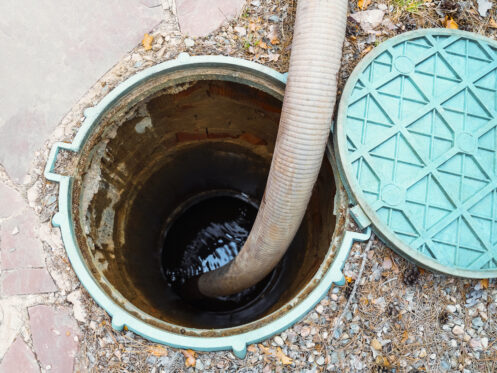
Septic tank baffles play a quiet but essential role in protecting your entire septic system. These components guide wastewater through the tank and prevent solids from escaping into the drain field. When baffles crack, deteriorate, or collapse, serious problems often follow. Wastewater may flow incorrectly, solids can clog downstream components, and costly damage may occur. At LilyPad Septic in Salina, KS, we want to help you understand when to replace your inlet and outlet baffles to protect your septic system and avoid expensive repairs.
What Septic Tank Baffles Actually Do
Every septic tank includes two main baffles. One sits at the inlet where wastewater enters the tank. The other sits at the outlet where treated liquid exits toward the drain field.
These simple structures control how wastewater moves through the tank. Their design helps the system efficiently separate solids, scum, and liquid.
The inlet baffle directs incoming wastewater downward. This movement prevents the force of incoming water from disturbing the layers inside the tank. When wastewater enters gently, the system can properly separate solids.
The outlet baffle protects the drain field. It blocks floating scum and solids from leaving the tank. Only partially treated liquid should exit the tank.
Without functioning baffles, the tank loses its ability to properly separate waste. Solids will often travel into the drain field. That damage can shorten the life of the entire septic system.
Common Materials Used for Baffles
Older septic tanks often contain concrete baffles. These can deteriorate over time due to constant exposure to wastewater gases and moisture.
Newer systems frequently use PVC or plastic baffles. These materials resist corrosion better than concrete. However, plastic baffles can still break or detach if the tank shifts or due to improper septic system maintenance.
We also find steel baffles in some older systems. These rarely last long because rust weakens them.
No matter how these components are made, every one of them experiences wear over time. Routine inspections help identify problems before major failures occur.
Warning Signs That You May Have Failing Baffles
Several warning signs can indicate you have a baffle problem. Many homeowners notice the symptoms long before they identify the cause.
You may notice slow drains throughout the house. While many issues can cause slow drainage, damaged baffles often disrupt water flow
Frequent plumbing backups can also raise concerns. When solids escape the tank due to a broken outlet baffle, pipes can begin to clog.
You should also check for unusual odors near the septic tank or yard. A failing baffle can allow septic gases to escape more easily. These odors often grow stronger after heavy water usage.
Finally, you need to look for signs of drain field problems. When solids reach the drain field, they can clog soil pores. Look for wet spots, lush areas of grass growth, or pooling water in the yard. A septic tank inspection provides the only reliable way to confirm baffle damage.
Physical Damage That Requires Replacement
Technicians often discover several types of structural damage during septic inspections. Cracks commonly develop in older concrete baffles. Wastewater gases slowly weaken the material. Once the cracks widen, the baffle cannot properly guide wastewater.
Collapsed baffles present another serious issue. Sections may break off and fall into the tank. This failure removes the barrier that protects the drain field.
Detached baffles also require attention. In some tanks, plastic baffles can separate from their mounting points. Once they shift out of position, wastewater no longer flows correctly.
Heavy sludge buildup can also damage baffles. Excess solids can place pressure on weakened materials. Over time, the structure can break apart.
Early Replacement Prevents Major Damage
Replacing a damaged baffle may seem minor compared to other septic repairs. However, this simple fix protects the most expensive part of the system.
The drain field handles treated wastewater after it leaves the tank. If solids enter this area, they can clog the soil and pipes. Once the drain field fails, repairs become far more complex. Replacement often requires excavation and major construction.
A damaged outlet baffle often leads to drain field contamination. Early replacement prevents solids from traveling downstream.
Inlet baffles also protect the system. Without proper flow direction, solids can mix throughout the tank. This disturbance reduces treatment efficiency and increases sludge buildup.
Protect Your Septic System With Expert Baffle Care
Septic tank baffles protect your system by controlling wastewater flow and preventing solids from entering the drain field. When these components fail, they can cause serious damage. Early inspection and timely replacement keep your system operating as intended. At LilyPad Septic, we provide expert septic inspections, maintenance, and repair services for homeowners. Our team helps you catch minor issues before they become big problems.
Contact LilyPad Septic right away if you need septic services in Salina. Let us inspect your septic system to find and repair the problem.